
Preparing property for construction or landscape improvements requires more than simply cutting vegetation. The way a site is cleared affects drainage, soil stability, accessibility, and the long-term condition of the property. Therefore, homeowners should understand how land clearing timelines, topsoil protection, and tree preservation influence the success of the project before any equipment arrives on site.
Timber Works Tree Care provides professional land clearing, forestry mulching, site preparation, and tree removal services throughout Virginia. Our team works with homeowners, developers, and property managers to clear properties efficiently while protecting soil conditions and preserving valuable landscape features whenever possible. Call us today at (540) 254-5773 for a free project estimate!
Below, we explain what homeowners should understand before starting a land clearing project:
Site Planning Determines How the Project Progresses
Before any clearing begins, contractors must first evaluate the overall condition of the property and the surrounding work area. During this stage, crews study the terrain to determine how equipment can move safely across the site without creating unnecessary ground disturbance. In addition, drainage patterns require close attention because water movement can change quickly once vegetation is removed from the property.
Additional preparation is often necessary due to wooded terrain and uneven ground conditions. As a result, early planning helps contractors identify access concerns before work begins, which allows the project to move more efficiently once equipment arrives on site.
Vegetation Removal Changes the Function of the Property
Although the removal of trees creates more usable space across the property, the clearing process affects far more than visibility alone. In many cases, overgrown vegetation restricts equipment access and limits how the land can be developed in the future. Furthermore, dead or unstable trees may create safety concerns during excavation and grading work if they remain in place during construction.
However, some properties benefit more from selective clearing than from complete vegetation removal. In these situations, preserving healthy mature trees can help maintain shade coverage and reduce erosion exposure after development is complete. Consequently, controlled clearing methods allow the property to remain functional without removing valuable natural features unnecessarily.
Topsoil Protection Helps Preserve Ground Stability
The condition of the soil after clearing directly affects how the property performs over time. For example, heavy equipment can compact the surface layer of soil and reduce its ability to absorb water properly. Once topsoil becomes damaged, drainage problems often begin developing across the site, and future landscaping may become more difficult to establish successfully.
Because of this, professional clearing crews work carefully to limit unnecessary soil disruption throughout the project. In some cases, forestry mulching may help protect exposed ground conditions by returning organic material back into the soil surface. Additionally, preserving stable soil conditions during clearing can help reduce future tree care cost associated with erosion repair and landscape restoration.
Project Timelines Depend on Property Conditions
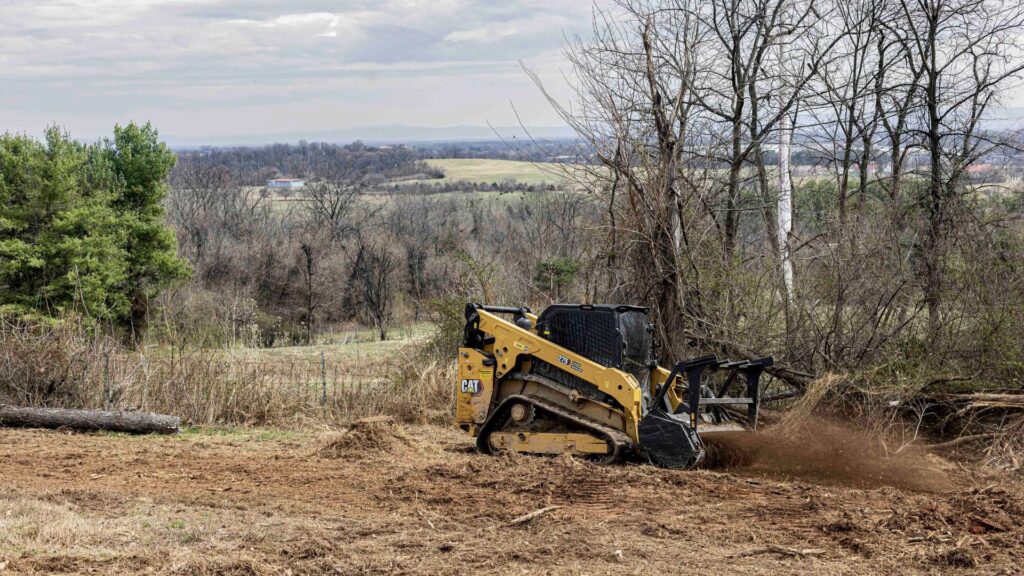
Every property presents different challenges during the clearing process. In heavily wooded areas, dense vegetation slows equipment movement and increases the amount of debris that must be removed from the site. Likewise, steep terrain may require more controlled equipment operation before grading work can begin safely.
At the same time, weather conditions frequently affect scheduling throughout land clearing projects. Saturated ground can limit equipment access and increase the risk of soil displacement during operations. Therefore, homeowners should allow enough time for proper site preparation before finalizing construction deadlines.
Preservation Work Protects the Long-Term Condition of the Site
Not every section of the property should be disturbed during land clearing operations. In fact, mature trees often help stabilize slopes and improve water absorption across the landscape after development is complete. Because of this, preserving these areas can improve both the appearance and long-term functionality of the property moving forward.
On the other hand, aggressive clearing practices frequently create avoidable problems after the project is finished. Excessive soil disturbance can weaken nearby root systems and alter how water travels across the site during heavy rainfall. For that reason, careful site management helps maintain stable ground conditions while still creating the usable space needed for future development.
Schedule Professional Land Clearing in Winchester, VA, with Timber Works
Land clearing projects require careful preparation and controlled site management to ensure the property remains stable after work is complete. Timber Works Tree Care provides forestry mulching, site preparation, tree removal, and land clearing for residential and commercial properties throughout Winchester, VA, and the surrounding areas. Call us today at (540) 254-5773 for a free project estimate!